Classifica settimanale delle news piu' lette sul blog Mitrokhin...
-
Il Cardinale Marcinkus difeso in questi giorni dalla Santa Sede perché sospettato di essere implicato nel rapimento della 15enne Emanuela O...
-
 Non ce l'ha fatta Giuseppe Demasi, 26 anni. Il decesso al CTO di Torino! Arresto cardiocircolatorio, negli ultimi giorni le sue condizi...
 -
80 anni fa, nella notte tra l'8 e il 9 maggio 1945, la Germania firmò l'Atto di resa incondizionata. Il documento segnò la vittoria ...
-
Alle ore 21:00 del #7GIUGNO di 40 anni fa, l'ultimo discorso politico di #EnricoBerlinguer a #Padova! Come nel 1984,#EllySchlein segreta...


Vota il mio blog...

Post in evidenza

venerdì 10 dicembre 2010


domenica 5 dicembre 2010
SUBJECT: MEDVEDEV, PUTIN, AND RUSSIA'S IRAN POLICY - LA POLITICA RUSSA SULLA QUESTIONE IRANIANA E I TENTATIVI DELL'AMERICA DI FARE PRESSIONI PER INFLUENZARE LE DECISIONI DELLA RUSSIA IN MATERIA!

SIPDIS
E.O. 12.958: decl: 2019/10/06
TAGS: PGOV Prel RS IR
OGGETTO: MEDVEDEV, PUTIN, RUSSIA E LA POLITICA IRAN'S
Classificato da: Ambasciatore John Beyrle, per motivi 1.4 (b)
e (d).
 ¶1. (C) SOMMARIO: Nonostante il presidente russo Medvedev
24 Settembre osserva che le sanzioni contro l'Iran potrebbe essere
necessario, funzionari governativi ed esperti qui
attenzione che la Russia resterà, per il momento,
riluttanti a perseguire una linea più dura contro Teheran. L'
consenso tra l'elite politica russa è che
mantenere un dialogo con gli iraniani ed estenuante
vie diplomatiche è preferibile ad imporre sanzioni in
prossimità del parto. Mentre Medvedev come presidente è responsabile della
braccia di controllo e trasferimenti di tecnologia nucleare, il Primo
Il Ministro Putin rimane strettamente identificata con decisioni in materia di
Iran politica, compresa la vendita di nucleare civile
tecnologia e armi, che fornisce una spinta potente a
imprese di stato. Secondo Ryabkov FM Vice, di Putin
relativo silenzio sull'Iran perché le dichiarazioni di Medvedev non
segnale di qualsiasi differenza tra di loro sulle sanzioni. Fine
Riepilogo.
Medvedev sulle sanzioni: Echoes ufficiale Pochi
------------------------------------------
 ¶2. (C) Russo funzionari del governo, compreso il primo ministro
Putin, non hanno ancora fatto eco il presidente Medvedev pubblico
dichiarazione che la Russia avrebbe considerato l'istituzione di
sanzioni contro l'Iran se la comunità mondiale a corto di altri
opzioni. Alla domanda su vista russo sulla rivelazione di Qom
New York 25 settembre FM Lavrov ha adottato una sorprendentemente morbida
tono che nella dichiarazione appena rilasciato Cremlino. Egli ha osservato
che l'Iran ha agito positivamente, notificando l'AIEA circa
i suoi piani di costruire un nuovo impianto nucleare, e si lamentava
che alcuni di Russia "paesi partner" nel P5-plus-1
non aveva condiviso le informazioni sulla struttura di Qom in precedenza.
Lavrov ha sottolineato che la cooperazione dell'Iran con il mondo
comunità come membro del TNP con status non nucleare
potrebbe rivelarsi la natura pacifica del suo programma nucleare.
 ¶3. (C) Prima la più recente P5-plus-1 riunione a Ginevra, PM
Putin ha detto che la Russia non avrebbe sostenuto "significativo"
modifiche al suo approccio con l'Iran. Ariel Cohen, un anziano
borsista presso la Heritage Foundation, ha detto che Putin e Lavrov ha detto
lui all'inizio di settembre che si oppongono al più severe
sanzioni e l'uso della forza contro l'Iran. Russo Vice
Ministro degli Esteri Sergei Ryabkov ha detto 29 settembre che l'Iran ha
recenti proposte presentato un "campo di massima per il dialogo".
Ryabkov ha aggiunto che se le sanzioni contro l'Iran potrebbe
diventare inevitabile è stato un "problema completamente separati, uno che
non siamo ancora pronti ad affrontare. "Egli ha sottolineato Russia
posizione era quella di fare tutto il possibile per trovare una "diplomatica,
soluzione politica del problema nucleare iraniano ".
 ¶4. (SBU) Mentre Esprimendo preoccupazione per missilistico iraniano
programma, ambasciatore russo alla NATO Dmitry Rogozin ha sottolineato
29 settembre che la Russia ha preferito il dialogo politico sulla
misure dure che potrebbero innescare una "corsa agli armamenti nel
regione ". ambasciatore russo verso gli Stati Uniti Sergey
Kislyak ha detto 24 settembre che le sanzioni non erano il modo per
risolvere il problema, piuttosto, il punto è come trovare un
"Soluzione politica che eliminerebbe il problema." L'
priorità era quella di avviare "un dialogo serio con i nostri iraniano
partner nella ricerca di una via d'uscita da questa situazione. "
 ¶5. (C) il messaggio della Russia di un pubblico nazionale resta
invariato. Malgrado i commenti attentamente formulato Medvedev su
sanzioni a New York (chiamato da un analista qui "un gioiello di
casistica diplomatico "), anche i russi di primo piano, con legami
macchina di propaganda interna del Cremlino credere russo
il supporto per le sanzioni occidentali è altamente improbabile. Medvedev
consulente Gleb Pavlovskiy, presidente di politica efficace
Fondazione, e Shevchenko Maksim, presidente della Federazione russa
Fondazione Mondo, anche espresso a favore del completamento della Russia
congelati S-300 terra-aria affrontare missile con l'Iran.
Putin Interpretazione's Silence
----------------------------
 ¶6. (C) la mancanza PM di Putin di commenti pubblici sulla possibilità
di sanzioni contro l'Iran dopo la dichiarazione pubblica del presidente Medvedev
non indica disaccordo tra loro su Iran, DFM
Ryabkov ha detto l'ambasciatore Beyrle 3 ottobre. Ryabkov ripetute
i suoi commenti, fatto a Ginevra durante P5-plus-1 colloqui, che
La Russia non aveva escluso la possibilità di sanzioni, ma
avrebbe cominciato a contemplare loro solo come ultima assoluto
resort.
 ¶7. (C) La maggior parte dei commentatori politici e analisti sono qui
state facendo eco le dichiarazioni stesse. Stanovaya Tatyana del
Centro per le Tecnologie Pensiero politico che di Medvedev
dichiarazione apparentemente più positiva indica l'assenza di reale
riavvicinamento con gli Stati Uniti contro l'Iran. Piuttosto, ha detto, la sua
le parole sono attentamente calibrate per indicare un luogo accogliente di
volontà degli Stati Uniti di utilizzare il P5-plus-1 formato e impegnarsi in
discussioni reali con i funzionari iraniani.
 ¶8. (C), tuttavia, i commenti di Medvedev New York e il
25 settembre Cremlino marchio affermazione definitiva di un inasprimento
retorica russa all'Iran. Pravoe Delo co-presidente Georgiy
Bovt 5 ottobre ci ha detto che l'uso di Medvedev della parola
"Sanzioni" rappresenta un cambiamento di politica. Boyt avvertito che
Le parole di Medvedev sarebbe probabilmente in risonanza con solo un distinto
minoranza della società russa. Egli ritiene che sarà difficile per
Medvedev a vendere sanzioni Iran per la burocrazia russa
senza il pieno appoggio di Putin. Al Comitato economico Sochi
Forum, Putin ha fatto saltare gli Stati Uniti per non permettere l'esportazione di
alcuni di alta tecnologia in Russia. Boyt pensa che la Russia potrebbe
chiedere un allentamento di queste restrizioni in cambio di
sostenere sanzioni.
Sanzioni: implicazioni economiche
--------------------------------
 ¶9. (C) Nonostante l'autorità presidenziale di Medvedev sulle armi
trasferimenti, Putin conserva indubbiamente un critico, se non
ruolo determinante su un problema così importante domestico
implicazioni economiche, come il trasferimento di tecnologia nucleare
e degli armamenti all'Iran. Russia e Iran hanno attualmente
limitata cooperazione militare, così l'effetto della perdita
entrate derivanti dalla vendita di armi all'Iran sarebbe piccolo. Mentre il
vendita di S-300 all'Iran, per esempio, solo netto Russia
da 750 milioni di dollari a un miliardo di dollari, il futuro militare
vendite potrebbero essere molto più consistente.
 ¶10. (C) Diversi anni fa, l'Iran è stato una fonte stabile di duro
moneta e questo flusso di cassa ha aiutato la Russia preservare la sua
costruzione settore nucleare. L'importanza della Russia
scambi con l'Iran è diminuito, ma le esportazioni russe verso l'Iran
l'anno scorso ancora superato 3 miliardi di dollari. Nel attualmente
depressa economia russa, che non è insignificante
importo. Inoltre, un grande potenziale per il futuro economico
guadagno in Russia esiste via le vendite di tecnologia nucleare civile
e una maggiore cooperazione militare.
 ¶11. (C) Come il più grande esportatore mondiale di petrolio e gas,
Russia beneficia significativamente anche dalla "instabilità
premio "integrato in prezzo mondiale del petrolio a causa di tensioni con
Iran. Anche un premio di 5 dollari per barile instabilità netto
Russia quasi 9 miliardi di dollari all'anno per il petrolio e
circa USD 2-4000000000 dalle sue esportazioni di gas. Infine,
stante la posizione dell'Iran come la seconda più grande proprietario di gas
riserve, il settore del gas russo con chiarezza i benefici per la mancanza
di investimenti internazionali per lo sviluppo di dell'Iran
del settore del gas naturale.
La vita senza l'Iran
-----------------
 ¶12. (C) La Russia ha potuto sfruttare le alternative al loro
costante sostegno per l'Iran. Per esempio, servizi giornalistici
indicano che l'Arabia Saudita si è offerta di acquistare la
Russo S-400 del sistema per due miliardi di dollari nel tentativo di
Mosca forza di recedere dal l'affare-300 S con l'Iran.
Medvedev ha citato le preoccupazioni della Lega Araba una stretta Russia
relazioni con l'Iran quando ha affermato che la posizione della Russia sulla
L'Iran potrebbe cambiare.
 ¶13. (C) anche Israele è chiaramente spingendo la Russia a prendere una
più ferma presa di posizione nei confronti di Teheran, alla luce dei recenti stampa
rapporti che il PM Netanyahu personalmente consegnato una lista dei
Gli scienziati russi che hanno contribuito al programma nucleare iraniano.
Conversazioni con i diplomatici israeliani indicano che a Mosca
Israele crede che ci possa essere ancora di più per il programma iraniano di
è ormai noto al GOR e decisori russi. Esse
suggerimento che le informazioni integrative israeliano sulla partecipazione russa potrebbero
forza di Mosca a prendere una linea più dura.
COMMENTO
-------
 ¶14. (C) Il successo in Russia in movimento per sostenere le azioni più dure
contro l'Iran sarà necessaria una strategia coordinata che coinvolge
i nostri amici e alleati, tra cui Israele e l'Arabia Saudita.
La strategia potrebbe essere necessario includere la prosecuzione del
sforzi diplomatici come il processo P5-plus-1 e, forse,
includere nuovi modi di partecipare al dialogo con l'Iran. A
strategia creato da un ampio consenso internazionale deve
offrire una serie di opzioni che sfida di Mosca
mentalità testardo qui che si oppone d'istinto comune
causa con l'Occidente contro l'Iran. Sanzioni avrebbe un grande
impatto sull'economia russa, e soprattutto per la nazionale
circoscrizioni elettorali e RosAtom come Rosoboronexport. Il fatto
che l'economia e le principali imprese a controllo statale
fanno parte del portafoglio di Putin che rafforzare la certezza
che rimarrà il creatore chiave decisione su qualsiasi imposizione
delle sanzioni. Chiave per i calcoli del GOR sarebbe alcun
politicamente alternative vendibile che beneficiano entrambi
economicamente e politicamente. Fine commento.
TESTO ORIGINALE: C O N F I D E N T I A L MOSCOW 002531
SIPDIS
E.O. 12958: DECL: 10/06/2019
TAGS: PGOV PREL RS IR
SUBJECT: MEDVEDEV, PUTIN, AND RUSSIA'S IRAN POLICY
Classified By: Ambassador John Beyrle for reasons 1.4 (b)
and (d).
¶1. (C) SUMMARY: Despite Russian President Medvedev's
September 24 remarks that sanctions against Iran might be
necessary, other government officials and experts here
caution that Russia will remain, for the time being,
reluctant to pursue a tougher line against Tehran. The
consensus among the Russian political elite is that
maintaining a dialogue with the Iranians and exhausting
diplomatic avenues is preferable to imposing sanctions in the
near term. While Medvedev as president is responsible for
controlling arms and nuclear technology transfers, Prime
Minister Putin remains closely identified with decisions on
Iran policy, including the sale of civilian nuclear
technology and weapons, which provides a boost to powerful
state enterprises. According to Deputy FM Ryabkov, Putin's
relative silence on Iran since Medvedev's statements does not
signal any difference between them on sanctions. End
Summary.
Medvedev on Sanctions: Few Official Echoes
------------------------------------------
¶2. (C) Russian Government officials, including Prime Minister
Putin, have not yet echoed President Medvedev's public
statement that Russia would consider the imposition of
sanctions on Iran if the world community ran out of other
options. Asked about Russian views on the Qom revelation in
New York September 25, FM Lavrov adopted a strikingly softer
tone than in the just released Kremlin statement. He noted
that Iran had acted positively by notifying the IAEA about
its plans to construct a new nuclear facility, and complained
that some of Russia's "partner countries" in the P5-plus-1
had not shared information about the Qom facility earlier.
Lavrov stressed that Iran's cooperation with the world
community as a member of the NPT with non-nuclear status
could prove the peaceful nature of its nuclear program.
¶3. (C) Before the most recent P5-plus-1 meeting in Geneva, PM
Putin said that Russia would not support "significant"
changes to its approach on Iran. Ariel Cohen, a senior
fellow at the Heritage Foundation, said Putin and Lavrov told
him in early September that they are opposed to tougher
sanctions and the use of force against Iran. Russian Deputy
Foreign Minster Sergei Ryabkov said September 29 that Iran's
recent proposals presented a "broad field for dialogue."
Ryabkov added that whether sanctions against Iran might
become inevitable was a "completely separate issue, one that
we are not yet ready to address." He stressed Russia's
position was to do everything possible to find a "diplomatic,
political solution to the Iranian nuclear problem."
¶4. (SBU) While expressing concern over Iran's missile
program, Russian Ambassador to NATO Dmitriy Rogozin stressed
September 29 that Russia preferred political dialogue over
tough measures that could trigger an "arms race in the
region." Russian Ambassador to the United States Sergey
Kislyak said September 24 that sanctions were not the way to
resolve the problem; rather, the point was how to find a
"political solution that would eliminate this problem." The
priority was to "start a serious dialogue with our Iranian
partners in seeking a way out of the situation."
¶5. (C) Russia's message to domestic audiences also remains
unchanged. Despite Medvedev's carefully worded comments on
sanctions in New York (called by one analyst here "a jewel of
diplomatic casuistry"), even prominent Russians with ties to
the Kremlin's domestic propaganda machine believe Russian
support for Western sanctions is highly unlikely. Medvedev
advisor Gleb Pavlovskiy, President of the Effective Policy
Foundation, and Maksim Shevchenko, President of the Russian
World Foundation, even spoke in favor of completing Russia's
frozen S-300 surface-to-air missile deal with Iran.
Interpreting Putin's Silence
----------------------------
¶6. (C) PM Putin's lack of public comment on the possibility
of Iran sanctions after President Medvedev's public statement
does not indicate disagreement between them on Iran, DFM
Ryabkov told Ambassador Beyrle October 3. Ryabkov repeated
his comments, made in Geneva during P5-plus-1 talks, that
Russia had not ruled out the possibility of sanctions, but
would begin to contemplate them only as an absolute last
resort.
¶7. (C) Most political commentators and analysts here have
been echoing the same statements. Tatyana Stanovaya of the
Center for Political Technologies thought that Medvedev's
seemingly more positive statement indicates no real
rapprochement with the U.S. on Iran. Rather, she said, his
words are carefully calibrated to indicate a welcoming of
U.S. willingness to use the P5-plus-1 format and engage in
actual discussions with Iranian officials.
¶8. (C) Nevertheless, Medvedev's New York comments and the
September 25 Kremlin statement mark a definite toughening of
Russian rhetoric on Iran. Pravoe Delo co-Chairman Georgiy
Bovt told us October 5 that Medvedev's use of the word
"sanctions" represents a policy change. Boyt cautioned that
Medvedev's words would probably resonate with only a distinct
minority of Russian society. He believes it will be hard for
Medvedev to sell Iran sanctions to the Russian bureaucracy
without the full support of Putin. At the Sochi Economic
Forum, Putin blasted the U.S. for not allowing the export of
certain high technology to Russia. Boyt thinks Russia might
ask for an easing of these restrictions in exchange for
supporting sanctions.
Sanctions: Economic Implications
--------------------------------
¶9. (C) Despite Medvedev's presidential authority over arms
transfers, Putin undoubtedly retains a critical, if not
decisive role over an issue with such significant domestic
economic implications as the transfer of nuclear technology
and armaments to Iran. Russia and Iran currently have
limited military cooperation, so the effect of any lost
revenue from arms sales to Iran would be small. While the
sale of S-300s to Iran, for example, would only net Russia
from USD 750 million to USD one billion, future military
sales could be considerably larger.
¶10. (C) Several years ago Iran was a stable source of hard
currency and this cash flow helped Russia preserve its
nuclear construction sector. The importance of Russia's
trade with Iran has decreased, but Russian exports to Iran
last year still exceeded USD 3 billion. In the currently
depressed Russian economy, that is not an insignificant
amount. In addition, great potential for future economic
gain to Russia exists via civilian nuclear technology sales
and increased military cooperation.
¶11. (C) As the world's largest exporter of oil and gas,
Russia also benefits significantly from the "instability
premium" embedded in world oil prices due to tensions with
Iran. Even a USD 5 per barrel instability premium would net
Russia almost USD 9 billion per year for oil and
approximately USD 2-4 billion from its gas exports. Finally,
given Iran's position as the second largest owner of gas
reserves, Russia's gas sector clearly benefits from the lack
of international investment in the development of Iran's
natural gas sector.
Life without Iran
-----------------
¶12. (C) Russia could profit from alternatives to its
continued support for Iran. For example, news reports
indicate that Saudi Arabia has offered to purchase the
Russian S-400 system for USD two billion in an effort to
force Moscow to back out of the S-300 deal with Iran.
Medvedev cited Arab League concerns about Russia's close
relationship with Iran when he stated that Russia's stance on
Iran might be changing.
¶13. (C) Israel also is clearly pushing Russia to take a
firmer stance towards Tehran, in light of recent press
reports that PM Netanyahu personally delivered a list of
Russian scientists who contributed to Iran's nuclear program.
Conversations with Israeli diplomats in Moscow indicate that
Israel believes there may be even more to Iran's program than
is now known to the GOR and Russian decision makers. They
hint that Israeli disclosures on Russian participation could
force Moscow into taking a harder line.
COMMENT
-------
¶14. (C) Success in moving Russia to support tougher actions
against Iran will require a coordinated strategy involving
our friends and allies, including Israel and Saudi Arabia.
The strategy may need to include the continuation of
diplomatic efforts like the P5-plus-1 process and perhaps
include new ways of engaging in dialogue with Iran. A
strategy created by a broad international consensus must
offer Moscow a series of options that will challenge the
stubborn mentality here that instinctively opposes common
cause with the West on Iran. Sanctions would have a major
impact on the Russian economy, and especially to the domestic
constituencies like RosOboronexport and RosAtom. The fact
that the economy and these key state-controlled enterprises
are part of Putin's portfolio only reinforces the certainty
that he will remain the key decision maker on any imposition
of sanctions. Key to the GOR's calculations would be any
politically salable alternatives that benefit them both
economically and politically. End comment.
RUSSIAN ACTIVE MEASURES IN GEORGIA - LE ATTIVITA' O PRESUNTE TALI DEI SERVIZI SEGRETI MILITARI RUSSI IN GEORGIA!
RISERVATO Sezione 01 del 04 TBILISI 001.732
SIPDIS
SIPDIS
DIPARTIMENTO PER L'EUR DAS Bryza e EUR / CARC
EO 12.958 decl: 2017/06/19
TAGS Prel, PGOV, GG
Oggetto: Misure RUSSA ATTIVA IN GEORGIA
REF: A. B. TBILISI TBILISI 1.605 1.352 1.100 C. TBILISI D. 06 TBILISI 2.601 E. 06 TBILISI 2590 F. 06 TBILISI 2425 G. 06 TBILISI 2390 H. 06 TBILISI 1532 I. 06 STATO 80.908 J. 06 TBILISI 1.064 K 06. TBILISI 0.619 L. 06 TBILISI 0.397 M. 06 MOSCA 0.546 N. 06 TBILISI 0.140 O. 05 TBILISI 3.171
Classificato da: Ambasciatore John F. Tefft per motivi 1.4 (b) e (d).
Introduzione e commento
------------------------
 ¶1. (C) Le tensioni tra Russia e Georgia giocare in leadersâ € ™ dichiarazioni, l'embargo economico russo, i conflitti separatisti, e una serie di altre pubbliche vie, ma anche giocare su un livello che è almeno un po 'sotto la superficie : Russo â € œactive measuresâ €? (O azioni segrete) allo scopo di Georgia. Questo cavo riassume alcune delle misure sospetto russo attivo intraprese in anni recenti, che vanno da attacchi missilistici e di trame omicidio a una serie di azioni su scala ridotta. Si tratta di un lungo elenco, ed è molto a cuore ai leader georgiano come prendere decisioni su come trattare con Mosca. Per molte delle attività sospette russo, come saltare in aria una macchina della polizia georgiana o complottando per uccidere una figura dell'opposizione - o anche l'attacco missilistico in Kodori, in marzo - è difficile capire ciò che i russi speravano di guadagno che sarebbero vale il rischio di esposizione. Le autorità georgiane spesso ci dicono che la Russia ha intrapreso una politica di cambiamento di regime in Georgia. Senza dubbio la Russiansâ € ™ vorrebbe vedere Saakashvili rimosso, ma la varietà e la portata delle misure attive propone lo scopo più profondo è svolta la Georgia rispetto al suo orientamento euroatlantica tornare all'ovile russo. Anche la più piccola delle misure attive servire a questo scopo, promuovendo un senso di instabilità, che gli autori possono auguriamo possa spaventare Georgiaâ € ™ s potenziali partner europei e / o provocare la leadership georgiana in una reazione di eruzione cutanea che separa la Georgia ulteriori l'Occidente. Mentre un alto funzionario russo FSB riferito detto una controparte georgiana di recente, Russiaâ goal € ™ s non è Abkhazia o l'Ossezia del Sud, ma tutti (rif C) Georgia. Mentre i russi in genere fare alcuni sforzi per ridurre le loro impronte digitali su azioni - che rende difficile dire con certezza del 100% che sono responsabili di molti di loro - il peso cumulativo delle prove degli ultimi anni suggerisce che i russi sono aggressivamente la riproduzione di un high-stakes, gioco segreto, e si considerano pochi eventuali esclusioni di colpi. Introduzione e commento finale.
Direct attacco militare
----------------------
 ¶2. (C) Probabilmente l'episodio più noto è stato il recente attacco missilistico su posizioni georgiane nella gola di Kodori la notte del 11-12 maggio, 2007. Come documentato da una indagine congiunta egida delle Nazioni Unite, l'attacco incluso uno o più elicotteri che, apparentemente, ha sparato un missile contro il quartier generale del conflitto georgiano-backed € â € œGovernment-in-Exileâ? dell'Abkhazia, così come missili terra-fuoco che ha colpito il vicino altri obiettivi nella zona. investigatori delle Nazioni Unite ci hanno detto in privato che sono d'accordo con i georgiani che solo la Russia potrebbe aver lanciato l'attacco, facendo notare che, mentre la relazione finale scritta non assegnare direttamente la colpa, â € € personâ œany ragionevole? trarrebbe la conclusione da essa che la Russia è responsabile (Rif. B). La Russia non ha effettuato alcun serio sforzo per cooperare con l'inchiesta, affermando i propri sistemi radar Caucaso si sono spente al momento dell'attacco, lasciando con nessun record da condividere. Le autorità georgiane il forte sospetto che una violazione del loro spazio aereo successivo 20 maggio è stato un tentativo russo di piantare false prove per quanto riguarda i licenziamenti a terra, anche se nel finale gli investigatori non ha visitato l'area in questione.
 ¶3. (C) 11 marzo non era la prima volta i russi si credeva di aver condotto un bombardamento in territorio georgiano. aerei russi sono stati ampiamente creduto di essere responsabili di un attentato del Kodori, nell'ottobre 2001, e per gli attentati del Pankisi Gorge, una zona che confina con la Cecenia georgiano, nel 2001 e nel 2002, disegnando le critiche del governo USA e nel resto della Comunità internazionale, malgrado le smentite russe di responsabilità.
Omicidi e tentati omicidi
-----------------------------
TBILISI 00001732 002 di 004
 ¶4. (U) In data 1 febbraio 2005, una bomba è esplosa in un auto alla stazione di polizia a Gori, la più grande città georgiana vicino all'Ossezia del Sud, uccidendo tre agenti di polizia georgiana. A seguito di un'indagine, ministro georgiano degli Interni Merabishvili detto pubblicamente che il bombardamento è stato ideato da russi dell'intelligence militare (GRU) ufficiale di Anatoly Sinitsyn (rif. E), leader del team GRU che è stata successivamente smantellata nel 2006 arresti spia settembre (cfr. punto 8).
 ¶5. (SBU) L'8 giugno 2006, i vicini si avvicinò a un uomo sospetto bighellonare in giro per la casa di Koba Davitashvili, un politico di opposizione. L'uomo ha sparato due colpi da una pistola dotata di silenziatore, ferendo leggermente uno dei vicini, e sono fuggiti. Ha lasciato una piccola borsa che ha incluso una foto di giornale Davitashvili e russo cellulare aziendale carte SIM. A seguito di una indagine georgiano, il Ministro degli Interni Merabishvili pubblicamente identificato come l'indagato Giorgi Kurtaev, un cittadino russo che era stato il monitoraggio Davitashvili per diverse settimane, con una interruzione per viaggiare a ritroso verso la Russia. A seguito dell'incidente 8 giugno Kurtaev fuggito di nuovo per la Russia, da dove i funzionari georgiani cercato invano di estradarlo. Le autorità georgiane hanno dichiarato pubblicamente che l'incidente è stato una provocazione perpetrato da un servizio di intelligence straniero, e un tentativo di screditare il governo di Saakashvili (rif. H).
Sabotaggio
--------
 ¶6. (C) Il 22 gennaio 2006, esplosioni quasi simultanee nella regione russa dell'Ossezia del Nord strappato nelle pipeline di gas naturale che va dalla Russia in Georgia. Più tardi quel giorno, un'esplosione nella repubblica Karacheyevo-Circassia in Russia buttato giù una linea ad alta tensione con la Georgia fornitura di energia elettrica (rif. M). Gli attacchi sono subito immerso in Georgia in una crisi degli approvvigionamenti di energia, con capacità praticamente nessuna per riscaldare le case nella parte più fredda dell'inverno. Il governo russo ha sostenuto questi sono stati â € € œterroristâ? attacchi, ma Saakashvili ripetutamente suggerito che il governo russo è stato responsabile degli attacchi ben coordinati in una zona fortemente controllata del Caucaso del Nord (Rif. N). Questa impressione è ulteriormente rinforzata nel menti georgiano dal fatto che il gas magicamente ripresi proprio come Armenia - che riceve il suo gas attraverso la Georgia - era sul punto di esaurire le sue riserve.
 ¶7. (C) Nel settembre 2006, il governo georgiano ha arrestato 29 attivisti di Igor Giorgadzeâ € ™ s Justice Party con l'accusa di pianificare una esplosione davanti alla sede del governo Movimento Nazionale, destinato ad essere il preludio di un colpo di stato. Prove incluso sequestrato attrezzature bombmaking, conversazioni registrate, e la testimonianza di dieci testimoni. Giordano stesso è un ex ministro georgiano della sicurezza ritiene viva in Russia per evitare un mandato georgiano per il suo arresto in relazione a un tentativo di assassinio contro 1995 l'allora presidente Shevardnadze. Il suo Justice Party non è mai stato popolare in Georgia, e si credeva che il partito è stato finanziato quasi esclusivamente dalla Russia (F refs e G). È interessante notare che uno degli imputati, Maia Topuria, ha assunto due avvocati statunitensi e uno studio legale di Washington lobby capitali della NATO e la NATO sulla regola presunti abusi di legge per quanto riguarda il caso.
Spionaggio
---------
 ¶8. (SBU) Le autorità georgiane hanno arrestato quattro ufficiali militari russi e georgiani undici per spionaggio, il 27 settembre 2006. Il governo georgiano successivamente rilasciato prove raccolte su una lunga indagine, comprese le trasmissioni video che mostra i soldi vengono scambiati per i documenti, così come i nastri audio e le trascrizioni di conversazioni compromettenti tra gli ufficiali russi e dei loro agenti georgiani (rif. D). Secondo il governo georgiano, questa operazione russo è stato condotto dal gruppo GRU stesso responsabile per l'attentato mortale Gori nel 2005. Georgia rilasciato gli ufficiali 2 ottobre, dopo che la Russia ha tagliato i collegamenti aerei per la Georgia e ha iniziato una campagna di deportazione e persecuzione di georgiani che vivono in Russia, secondo quanto riferito causando quattro morti di cittadini georgiani.
 ¶9. (SBU) Nell'aprile 2006, un giornalista della televisione filo-Cremlino a Mosca, in onda registrate le conversazioni tra telefoni cellulari Givi Targamadze, presidente della Georgia Parliamentâ € ™ s Defense Committee, e contatti in lituano e il MAE a Washington, in cui Targamadze critica il leader dell'opposizione bielorussa Alexander Milinkevich. In una registrazione Targamadze sembra di parlare di avere ucciso Milinkevich. E 'opinione diffusa in ambienti politici georgiani che russa intercettazione elettronica è sempre presente; questo caso, sembra confermare tale sospetto, con le intercettazioni apparentemente decidendo che le conversazioni - magari ritoccata o
TBILISI 00001732 003 di 004
selettivamente modificati - sono stati così imbarazzante per Targamadze Milinkevich e che ne valeva la pena di rendere pubblici.
Supporto per Separatisti
-----------------------
 ¶10. (C) Il governo russo ha previsto diretta, se a volte velato, il sostegno alle regioni separatiste dell'Ossezia del Sud e Abkhazia, senza informare o per ottenere il consenso del governo georgiano. In Ossezia del Sud, molti ministri del governo de facto e consulenti di Kokoity sono funzionari russi - in molti casi ritenuti FSB - serve una rotazione in Ossezia del Sud prima di tornare a lavorare in Russia. E 'ampiamente noto che la Russia sta pagando, in tutto o in parte, gli stipendi della polizia e altri funzionari in Ossezia del Sud - e che la Russia ha recentemente aumentato i pagamenti come un disincentivo per i funzionari dell'Ossezia del Sud per difetto al georgiano-backed temporaneo unità amministrativa del Dmitry Sanakoyev. Gli osseti del sud hanno riferito ricevuto armi e attrezzature provenienti dalla Russia, compresi i missili GRAD, in varie occasioni, anche durante le recenti tensioni (rif. A). I russi hanno effettuato una serie di progetti di costruzione unilaterali in Ossezia del Sud nel 2006 che poi rivendicati erano in adempimento di Russiaâ € ™ s pegno da parte del programma dell'OSCE donorsâ € ™ risanamento economico, ma in realtà ha avuto luogo al di fuori del programma donorsâ € ™ come pure come in violazione di un accordo del 2000 sul georgiano-russo di cooperazione economica che prevede progetti economici in coordinamento con tutte le parti. La Russia è ampiamente riportato che lavorano su progetti per connetterti Ossezia del Sud per il gas russo e reti telefoniche. La Russia ha ampiamente distribuito passaporti per i residenti in Ossezia del Sud (e Abkhazia) a tal punto che Kokoity ha rivendicato ai funzionari USG che il 95 per cento della popolazione dell'Ossezia del Sud è composta da due cittadini russi (refs I e O).
 ¶11. (C) Il governo de facto dell'Abkhazia sembra avere un livello leggermente superiore di indipendenza da Mosca di quanto non faccia la sua controparte in Ossezia del Sud, la Russia è considerata più allineato con l'opposizione guidata da abkhaza de facto vice-presidente Khajimba, che nonostante il sostegno russo perduto del 2004 alle attuali elezioni presidenziali presidente di fatto Bagapsh. Tuttavia, è evidente la Russia ha grande influenza su Bagapsh, che viaggia spesso a Mosca per consultazioni, per non parlare di un viaggio a Mosca per cure mediche di emergenza in aprile - Come arrivare, ci dicono i georgiani, su un piano FSB. Diverse fonti ci hanno anche detto che un alto ufficiale FSB attualmente vive in una residenza separata Bagapshâ € ™ s compound presidenziale. Un rappresentante abkhazo ha detto l'ambasciatore nell'autunno del 2006 che la Russia è al tempo mettere forte pressione su Bagapsh per attaccare i georgiani in risposta al loro buon funzionamento nel mese di luglio nel Kodori Gorge. Le autorità georgiane non credo che l'Abkhazia erano a conoscenza degli attacchi missilistici Kodori marzo in anticipo, ma che l'Abkhazia sono tenuti ad accettare l'Russiansâ € ™ uso del loro territorio per questi incidenti. forze di pace russe in Abkhazia hanno commesso - o consentito l'Abkhazia a commettere - ripetute violazioni degli accordi esistenti (rif. L).
Supporto per gli estremisti di minoranza
-------------------------------
 ¶12. (C) funzionari della Georgia a Tbilisi e Akhalkalaki, così come i leader della comunità locale e attivisti politici, hanno confermato che il governo russo ha finanziato radicali nazionalisti di etnia armena in Samtskhe-Javakheti, nel tentativo di destabilizzare questa mutli-etnica, regione politicamente fragile . La tensione ha raggiunto il picco durante la primavera del 2006 quando si sparse violente manifestazioni si è verificato in Akhalkalaki a marzo (rif K), dopo l'assassinio di un armeno etnica nella città di Tsalka, e il 2 maggio (rif J), quando i manifestanti brevemente fermato
SIPDIS la prima fase del ritiro base russa. Come il ritiro spostato in avanti, disordini in Akhalkalaki lasciati precipitosamente, dà credito alle accuse georgiane che le tensioni erano alimentati da elementi che operano all'interno della base russa.
Disinformazione
--------------
 ¶13. (C) E 'particolarmente difficile inchiodare l'origine di ogni della moltitudine di voci, le teorie cospirative, e la speculazione politica in Georgia, ma i funzionari georgiani sono convinti che i servizi russi stanno facendo uno sforzo attivo per diffondere informazioni false volte a inferiori ai governo di Saakashvili e di deviare la responsabilità di azioni provocatorie lontano dalla Russia su altri presunti colpevoli. Un esempio particolarmente tangibile di disinformazione che serve gli interessi russi è stato un â € œPsychological Studyâ €? di Saakashvili ampiamente diffusi via e-mail nel gennaio 2007 da un indirizzo che pretendono di essere â € Associazione œGeorgian per Strategici e Internazionali Studies.â €? Lo studio fa una serie di sentenze altamente pregiudizievoli su
TBILISI 00001732 004 di 004
Saakashvili, e lui le diagnosi come affetti da un tipo â € œexpansive di disfunzione paranoico ... in combinazione con il tipo di narcisista € personality.â isterico? Post non aveva mai sentito parlare dell 'organizzazione che ha distribuito lo studio - è probabile che molti destinatari confuso con il rispetto della Fondazione georgiana per gli studi strategici e internazionali, che riceve il sostegno della Ambasciata degli Stati Uniti - e un controllo della via Tbilisi dove era presumibilmente situato ha rivelato che il suo indirizzo non esisteva.
TESTO ORIGINALE: C O N F I D E N T I A L SECTION 01 OF 04 TBILISI 001732
SIPDIS
SIPDIS
DEPT FOR EUR DAS BRYZA AND EUR/CARC
EO 12958 DECL: 06/19/2017
TAGS PREL, PGOV, GG
SUBJECT: RUSSIAN ACTIVE MEASURES IN GEORGIA
REF: A. TBILISI 1605 B. TBILISI 1352 C. TBILISI 1100 D. 06 TBILISI 2601 E. 06 TBILISI 2590 F. 06 TBILISI 2425 G. 06 TBILISI 2390 H. 06 TBILISI 1532 I. 06 STATE 80908 J. 06 TBILISI 1064 K. 06 TBILISI 0619 L. 06 TBILISI 0397 M. 06 MOSCOW 0546 N. 06 TBILISI 0140 O. 05 TBILISI 3171
Classified By: Ambassador John F. Tefft for reasons 1.4 (b)&(d).
Introduction and Comment
------------------------
¶1. (C) The strains between Russia and Georgia play out in leaders’ statements, the Russian economic embargo, the separatist conflicts, and a number of other public ways, but they also play out on a level that is at least slightly below the surface: Russian “active measures†(or covert actions) aimed at Georgia. This cable summarizes some of the suspected Russian active measures undertaken in recent years, ranging from missile attacks and murder plots to a host of smaller-scale actions. It is a long list, and it is very much on the minds of Georgian leaders as they make decisions about how to deal with Moscow. For many of the suspected Russian activities, such as blowing up a Georgian police car or plotting to kill an opposition figure -- or even the missile attack in Kodori in March -- it is difficult to understand what the Russians hoped to gain that would be worth the risk of exposure. Georgian officials often tell us that Russia has set out on a policy of regime change in Georgia. No doubt the Russians’ would like to see Saakashvili removed, but the variety and extent of the active measures suggests the deeper goal is turning Georgia from its Euroatlantic orientation back into the Russian fold. Even the smaller of the active measures serve this purpose by promoting a sense of instability, which the perpetrators may hope will scare off Georgia’s would-be European partners and/or provoke the Georgian leadership into a rash reaction that separates Georgia further from the West. As a high Russian FSB official reportedly told a Georgian counterpart recently, Russia’s goal is not Abkhazia or South Ossetia, but all of Georgia (ref C). While the Russians typically make some efforts to reduce their fingerprints on actions -- making it hard to say with 100% certainty that they are responsible for many of them -- the cumulative weight of the evidence of the last few years suggests that the Russians are aggressively playing a high-stakes, covert game, and they consider few if any holds barred. End Introduction and Comment.
Direct Military Attack
----------------------
¶2. (C) Probably the most notorious recent incident was the missile attack on Georgian positions in the Upper Kodori Gorge on the night of May 11-12, 2007. As documented by a UN-led joint investigation, the attack included one or more helicopters that apparently fired a missile into the headquarters of the Georgian-backed “Government-in-Exile†of Abkhazia, as well as ground-fired missiles that struck near other targets in the area. UN investigators have told us privately that they agree with the Georgians that only Russia could have launched the attack, noting that while the final written report does not directly assign blame, “any reasonable person†would conclude from it that Russia was responsible (ref B). Russia did not make any serious effort to cooperate with the investigation, claiming its Caucasus radar systems were turned off at the time of the attack, leaving it with no records to share. Georgian officials strongly suspect that a subsequent violation of their airspace May 20 was a Russian attempt to plant false evidence regarding the ground-based firings, although in the end investigators did not visit the area in question.
¶3. (C) March 11 was not the first time the Russians were believed to have conducted a bombing raid on Georgian territory. Russian planes were widely believed to be responsible for a bombing of the Kodori in October 2001, and for bombings of the Pankisi Gorge, a Georgian area that borders Chechnya, in 2001 and 2002, drawing criticism from the USG and elsewhere in the international community, despite Russian denials of responsibility.
Murders and Attempted Murders
-----------------------------
TBILISI 00001732 002 OF 004
¶4. (U) On February 1, 2005 a bomb exploded in a car at the police station in Gori, the largest Georgian city close to South Ossetia, killing three Georgian police officers. Following an investigation, Georgian Minister of Internal Affairs Merabishvili said publicly that the bombing was masterminded by Russian military intelligence (GRU) officer Anatoly Sinitsyn (ref E), leader of the GRU team that was subsequently broken up in the September 2006 spy arrests (see paragraph 8).
¶5. (SBU) On June 8, 2006, neighbors approached a suspicious man loitering around the home of Koba Davitashvili, a leading opposition politician. The man fired two shots from a gun equipped with a silencer, slightly wounding one of the neighbors, and fled. He left behind a small bag that included a newspaper photo of Davitashvili and Russian cell phone company SIM cards. Following a Georgian investigation, Minister of Internal Affairs Merabishvili publicly identified the suspect as Giorgi Kurtaev, a Russian citizen who had been monitoring Davitashvili for several weeks, with one interruption for travel back to Russia. Following the June 8 incident Kurtaev fled again to Russia, from where Georgian officials unsuccessfully sought to extradite him. Georgian officials have stated publicly that the incident was a provocation perpetrated by a foreign intelligence service, and an attempt to discredit the Saakashvili government (ref H).
Sabotage
--------
¶6. (C) On January 22, 2006, near-simultaneous explosions in the Russian region of North Ossetia ripped into natural gas pipelines running from Russia into Georgia. Later that day, an explosion in the Karacheyevo-Cherkessia republic in Russia knocked out a high-voltage line supplying Georgia with electricity (ref M). The attacks immediately plunged Georgia into a major energy crisis, with virtually no ability to heat homes in the coldest part of winter. The Russian government claimed these were “terrorist†attacks, but Saakashvili repeatedly suggested the Russian government was responsible for the well-coordinated attacks in a heavily monitored part of the North Caucasus (ref N). This impression was further reinforced in Georgian minds by the fact that the gas magically resumed just as Armenia -- which receives its gas through Georgia -- was about to exhaust its reserves.
¶7. (C) In September 2006, the Georgian government arrested 29 activists of Igor Giorgadze’s Justice Party on charges of planning an explosion outside the headquarters of the ruling National Movement, intended to be the prelude to a coup. Evidence included seized bombmaking equipment, recorded conversations, and the testimony of ten witnesses. Giorgadze himself is a former Georgian Minister of Security believed to be living in Russia to avoid a Georgian warrant for his arrest in connection with a 1995 assassination attempt against then-President Shevardnadze. His Justice Party has never been popular in Georgia, and it was widely believed that the party was funded almost exclusively from Russia (refs F and G). It is interesting that one of the defendants, Maia Topuria, has hired two U.S.-based lawyers and a Washington law firm to lobby NATO and NATO capitals over alleged rule of law abuses with regard to the case.
Espionage
---------
¶8. (SBU) Georgian authorities arrested four Russian military officers and eleven Georgians for espionage on September 27, 2006. The Georgian government subsequently released evidence collected over a long investigation, including video footage showing money being exchanged for documents, as well as audio tapes and transcripts of incriminating conversations between the Russian officers and their Georgian agents (ref D). According to the Georgian government, this Russian operation was conducted by the same GRU team responsible for the deadly Gori bombing in 2005. Georgia released the officers October 2, after which Russia cut air links to Georgia and began a campaign of deportation and harassment of Georgians living in Russia, reportedly resulting in four deaths of Georgian citizens.
¶9. (SBU) In April 2006, a pro-Kremlin television journalist in Moscow aired recorded cellphone conversations between Givi Targamadze, chair of the Georgian Parliament’s Defense Committee, and contacts in the Lithuanian MFA and in Washington, in which Targamadze is critical of Belarusian opposition leader Alexander Milinkevich. In one recording Targamadze appears to speak of having Milinkevich killed. It is widely believed in Georgian political circles that Russian electronic eavesdropping is ever-present; this case appears to confirm that suspicion, with the eavesdroppers apparently deciding that the conversations -- perhaps doctored or
TBILISI 00001732 003 OF 004
selectively edited -- were so embarrassing to Targamadze and Milinkevich that it was worth it to make them public.
Support for Separatists
-----------------------
¶10. (C) The Russian government has provided direct, if at times thinly veiled, support to the separatist regions of South Ossetia and Abkhazia, without informing or obtaining the consent of the Georgian government. In South Ossetia, many de facto cabinet ministers and advisors to Kokoity are Russian officials -- in most cases believed to be FSB -- serving a rotation in South Ossetia before returning to work in Russia. It is widely understood that Russia is paying, in full or in part, the salaries of police and other civil servants in South Ossetia -- and that Russia recently increased these payments as a disincentive for South Ossetian officials to defect to the Georgian-backed temporary administrative unit of Dmitry Sanakoyev. The South Ossetians have reportedly received arms and equipment from Russia, including GRAD missiles, on various occasions, including during recent tensions (ref A). The Russians undertook a number of unilateral construction projects in South Ossetia in 2006 that they later claimed were in fulfillment of Russia’s pledge to the OSCE donors’ economic rehabilitation program, but in fact took place outside the donors’ program as well as in violation of a 2000 agreement on Georgian-Russian economic cooperation that calls for economic projects in coordination with all sides. Russia is widely reported to be working on projects to connect South Ossetia to Russian gas and telephone networks. Russia has distributed passports widely to residents of South Ossetia (and Abkhazia) to such an extent that Kokoity has claimed to USG officials that 95 percent of the population of South Ossetia is made up of dual Russian citizens (refs I and O).
¶11. (C) The de facto government of Abkhazia appears to have a somewhat greater degree of independence from Moscow than does its counterpart in South Ossetia; Russia is considered more aligned with the Abkhaz opposition led by de facto vice-president Khajimba, who despite Russian backing lost the 2004 presidential contest to current de facto president Bagapsh. Nevertheless, it is clear Russia has great leverage over Bagapsh, who frequently travels to Moscow for consultations, not to mention a trip to Moscow for emergency medical treatment in April -- getting there, the Georgians tell us, on an FSB plane. Several sources have also told us that a senior FSB officer actually lives in a separate residence on Bagapsh’s presidential compound. An Abkhaz representative told the Ambassador in the fall of 2006 that Russia was at the time putting strong pressure on Bagapsh to attack the Georgians in response to their successful operation in July in the Upper Kodori Gorge. Georgian officials do not believe that the Abkhaz were aware of the March Kodori missile attacks in advance, but that the Abkhaz are required to accept the Russians’ use of their territory for such incidents. Russian peacekeepers in Abkhazia have committed -- or permitted the Abkhaz to commit -- repeated violations of existing agreements (ref L).
Support for Minority Extremists
-------------------------------
¶12. (C) Georgian officials in Tbilisi and Akhalkalaki, as well as local community leaders and political activists, have confirmed that the Russian government has funded radical ethnic-Armenian nationalists in Samtskhe-Javakheti in a bid to destabilize this mutli-ethnic, politically fragile region. Tensions peaked during spring 2006 when scattered violent demonstrations occurred in Akhalkalaki in March (ref K), following the murder of an ethnic Armenian in the city of Tsalka, and on May 2 (ref J), when protesters briefly halted
SIPDIS the first stage of Russian base withdrawal. As the withdrawal moved ahead, disturbances in Akhalkalaki dropped off precipitously, lending credence to Georgian allegations that the tensions were being stoked by elements operating from within the Russian base.
Disinformation
--------------
¶13. (C) It is especially difficult to nail down the origin of any of the multitude of rumors, conspiracy theories, and political speculation in Georgia, but Georgian officials are convinced that Russian services are making an active effort to spread false information designed to undercut the Saakashvili government and to deflect responsibility for provocative actions away from Russia onto other alleged culprits. One particularly tangible example of disinformation serving Russian interests was a “Psychological Study†of Saakashvili widely disseminated by e-mail in January 2007 from an address purporting to be the “Georgian Association for Strategic and International Studies.†The study makes a number of highly prejudicial judgments about
TBILISI 00001732 004 OF 004
Saakashvili, and diagnoses him as suffering from an “expansive type of paranoid dysfunction...combined with narcissist type of hysteroid personality.†Post had never heard of the organization that distributed the study -- many recipients likely confused it with the respected Georgian Foundation for Strategic and International Studies, which receives support from the U.S. Embassy -- and a check of the Tbilisi street where it was supposedly located revealed that its address did not exist.
Fonte: www.wikileaks.ch
Iscriviti a:
Post (Atom)
ITALIA-CINA
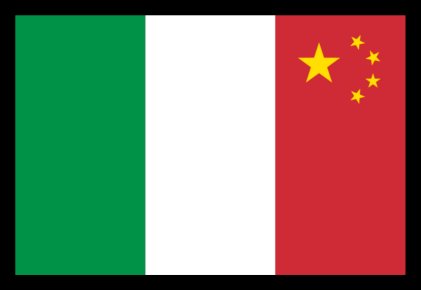
PER L'ALLEANZA, LA COOPERAZIONE, L'AMICIZIA E LA COLLABORAZIONE TRA' LA REPUBBLICA ITALIANA E LA REPUBBLICA POPOLARE CINESE!!!